SAVE £1000 on your Gastric Sleeve. Limited spaces available

Gastric Sleeve Diet - Week 3 and 4

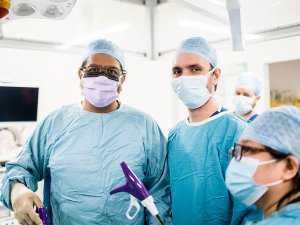
Image of consultant bariatric surgeon, Mr Rishi Singhal

What to eat on weeks 3 and 4 of the gastric sleeve diet

In weeks 3 and 4, avoid stretching the stomach with hard foods. Transition from liquids to pureed foods in Week 3 and soft foods in Week 4. Portion control, slow eating, and separating food and drink are essential. Have balanced meals, and avoid carbonated beverages, alcohol, certain medications, and milkshakes.

Phase 2: Weeks 3 and 4

The stomach tissues are still healing 2 weeks after your gastric sleeve operation. It remains important not to stretch the sleeve with foods that are hard or indigestible. You should begin to make the transition from liquids to puréed foods at the start of week 3. At the start of week 4 start to transition to soft foods. Do not eat larger quantities than recommended even if you feel that you could.

What is a puree?

A pureed food has the same consistency as a thick liquid: it will plop off a spoon rather than pour. It should have no lumps in.

What is a soft food?

A soft food will be easily mashed with a fork. You should not need a knife to cut up soft foods

How much should I eat each day?

Start by eating up to 6 small pureed ‘meals’ per day and then towards the end of this phase try to establish a 3 meal a day pattern of eating soft foods. Your portion size should be about 3-6 tablespoons per meal – don’t ever have any more than this. Serve your meals on a 7-inch side plate or small bowl.

Will I be able to eat normally?

Just like it might have been initially after surgery, you will need to be very cautious about introducing foods. You must take your time and eat slowly. Start to follow the 20,20,20,20 technique:

1. Take a 20-pence-sized bite of food.
2. Chew for 20 seconds. Even though there might not be much to chew in this phase, it is important you still wait this length of time before moving to the next step.
3. Once swallowed, wait at least 20 seconds before you prepare your next bite.
4. Repeat the above steps over a period of 20 minutes. Stop before this if you feel you have had enough.
This technique means small amounts of food will be slowly sent down to your stomach and will avoid causing any pain or regurgitation. You will need to continue with this technique in your weight loss journey.

Can I drink with food?

It is very important to keep eating and drinking separately. Drinking with or too close after a meal can cause discomfort and flush your food through quicker, but it also has the potential to cause your stomach to stretch. You can drink up to starting a meal if you feel this is comfortable, but most people who have had a gastric sleeve wait 30 minutes before eating. You must then wait at least 30 minutes after eating before having a drink.

Continue to aim for 2L of fluid per day and focus on calorie-free fluids:
• Water
• Tea (including fruit and herbal)
• Coffee
• No added sugar squash
• No added sugar-flavoured water

There are some drinks you might enjoy but limit to 1 or 2 per day as they can be high in 
salt or sugar but low in protein:
• Bovril/Marmite/Oxo
• Light hot chocolate (e.g., Cadbury Highlights, Options)
• Light malted drinks (e.g., Horlicks, Ovaltine)
• 100ml fruit smoothie or fresh fruit juice (diluted 50:50 with water)

What foods should I eat?

During this phase we need to start building on the variety in your diet from each food group: protein, vegetables/salad/fruit and carbohydrate. By the end of week 4 you should be able to have “balanced” meals. You still need to aim for 70-80g of protein per day.

Foods suitable from the protein group are:
• Soft/runny scrambled egg
• Pureed chicken/quorn/tofu/minced meat/soft fish. Use gravy or a tomato-based sauce to make a smooth consistency
• Smooth yogurts
• Cottage cheese
• Low-fat soft cheese
• Beans/pulses/lentils
Foods suitable from the vegetable/salad/fruit group are:
• Overcooked vegetables such as broccoli, carrots, cauliflower
• Avocado
• Baked beans
• Soft fruits such as bananas, berries, melons

Foods suitable from the carbohydrate group are:
• Ready Brek, porridge oats, Weetabix
• Semolina
• Overcooked pasta/noodles/tinned pasta (e.g., spaghetti hoops)
• Centre of a jacket potato, mashed potato (white or sweet potato)

Do I need to avoid anything?

There are a few things you need to avoid during this phase to prevent any pain or problems:

• Sugary drinks such as flavoured water, squash, and still-ready mixed fruit drinks (e.g., Ribena, Oasis). Sugar-free or no added sugar options are fine.
• Full sugar varieties of hot chocolate or malted drinks.
• Any carbonated drinks. These can cause extreme pain from the gas. It is advised to generally avoid them long-term.
• Alcohol. Your tolerance of alcohol following weight loss surgery is greatly reduced and can cause dehydration so best to avoid it in this phase.
• Milkshakes that aren’t a meal replacement shake e.g., Frijj, Galaxy, Mars, Shaken Udder, Yazoo. They tend to be very high in sugar.
• Tablets. Some medications may need to be crushed or taken in liquid form for the first 6 weeks after your surgery. It is best to check with your doctor before crushing your pills, as many medications are slow-release and cannot be crushed. Also, please check with your doctor before restarting medication for diabetes, as your requirements are likely to be much less than they were before your surgery.
• Medications that are irritating to the stomach, especially non-steroidal anti-inflammatory medicines such as aspirin, ibuprofen, diclofenac, sulindac, celecoxib, diflunisal and naproxen. If you are unsure, ask the Healthier Weight medical team for advice.

Sample menu

A typical day in week 3 might look like this:

Sample menu

A typical day at the end of week 4 might look like this:

Ready to take the next step?

Image of consultant bariatric surgeon, Mr Rishi Singhal

All content on this page is reviewed by a multi-disciplinary team lead by Prof Rishi Singhal.

Read More About the Gastric Sleeve

We use cookies on our website to give you the most relevant experience by remembering your preferences and repeat visits. Your personal data will be used for the personalization of ads and cookies may be used for personalized and non-personalized advertising. By clicking “Accept All”, you consent to the use of ALL the cookies. However, you may visit “Cookie Settings” to provide a controlled consent.  Read our cookies policy here